Market
Vang Vieng: the quiet rise of a riverside market
Is Vang Vieng a good place to buy property? For the right buyer, yes. An hour from Vientiane by train and set on the Nam Song river beneath limestone karsts, the town pairs durable demand drivers, connectivity, scenery, and rising tourism, with the risks of a young, thinly traded market. Buy a protected view, verify the title, and hold for years rather than months.
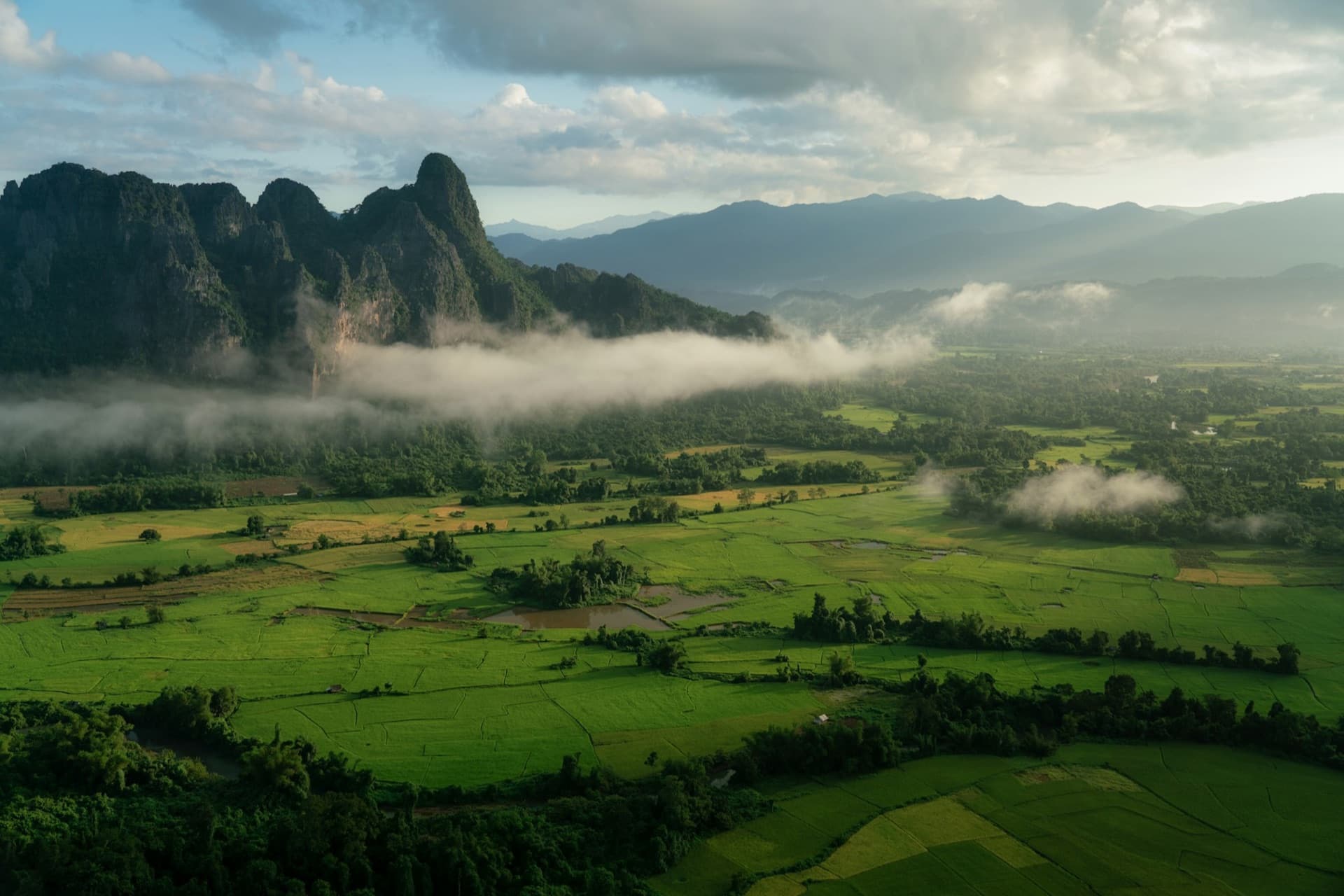
Ten years ago, Vang Vieng was shorthand for one kind of holiday: inner tubes, riverside bars, and a young crowd passing through. That town is gone. What has taken its place is quieter, more deliberate, and far more interesting to anyone thinking about property in Laos. Set on the Nam Song river beneath a wall of limestone karsts, Vang Vieng has become one of the most watched small markets in the country. This is our reading of why, and of what to weigh before you buy.
A note before we begin. This is general market commentary, not investment advice and not a promise of returns. Laos is a young, thinly traded property market with no published price index, so treat any figure you hear, including ours, as something to verify rather than rely on.
From a backpacker stop to something more lasting
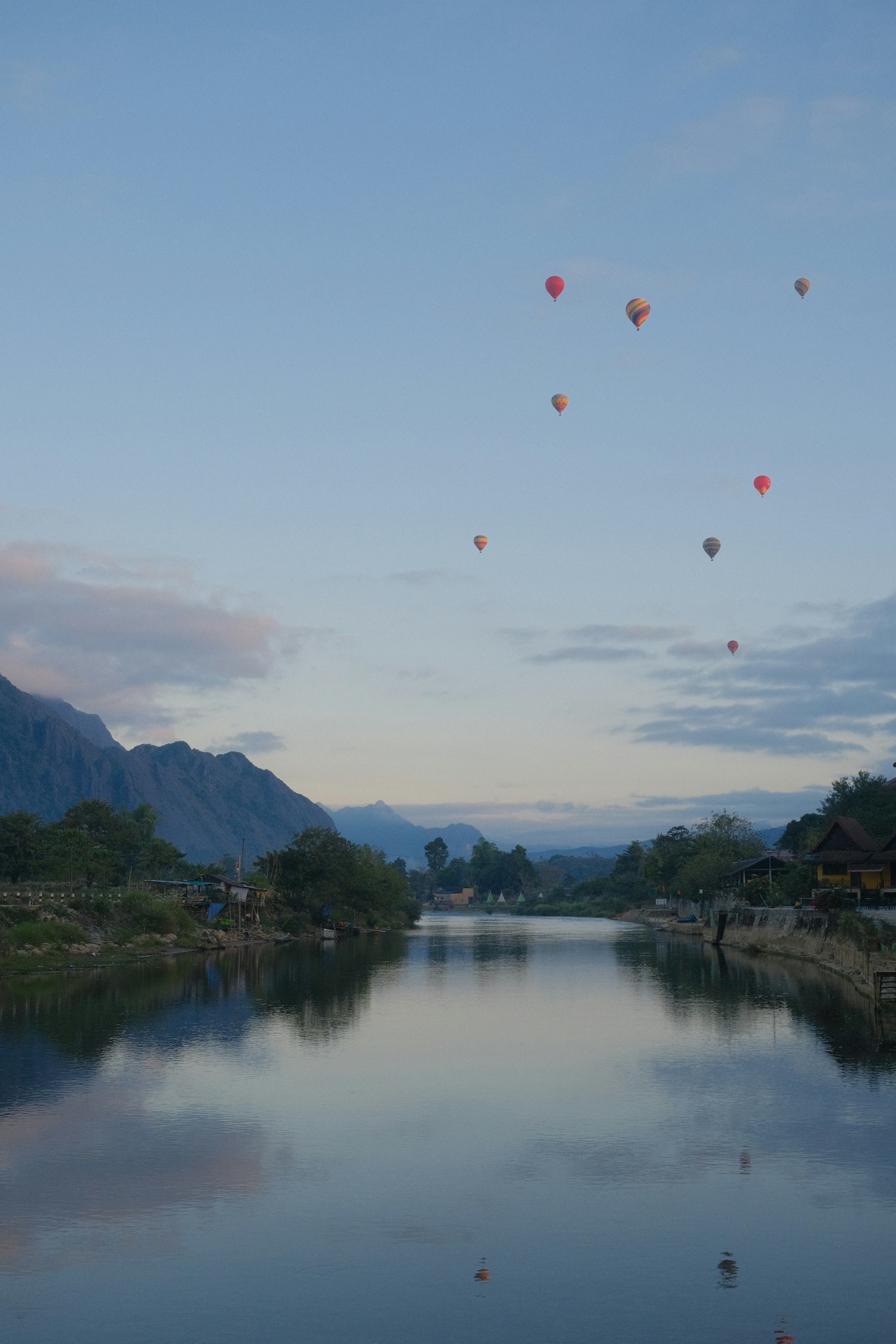
The reinvention was part policy and part taste. After the authorities reined in the old party scene, the town leaned into what it always had: the river, the caves, the viewpoints, and the extraordinary karst scenery. Balloons at dawn, kayaking, climbing, and slow mornings looking at the mountains now draw a broader, older, higher-spending visitor. Families, couples, weekenders from the capital, and a steady flow of travellers from across Asia. That shift, from a place you pass through to a place you stay, is the foundation everything else is built on.
The railway changed the maths
The single biggest change is connection. Since the Laos-China Railway opened at the end of 2021, Vang Vieng has had its own station, and the journey from Vientiane that once meant three to four hours on a winding road is now around an hour by train. That is the difference between an expedition and an easy weekend. It puts the town within reach of the capital for a Saturday, within reach of the airport for international arrivals, and on the line that runs north toward the Chinese border. Connection like this does not fade with the season. It is structural, and it is the kind of change that slowly resets what land near the station, or with a clear view, is worth.
What holds value in Vang Vieng?
Strip away the noise and two things drive value in Vang Vieng, and neither is going away. The first is scenery that cannot be manufactured. There is a finite amount of land with a true karst or river view, and once it is built on, it is gone. Frontage on the Nam Song, and plots that look straight at the mountains, sit in a different category from land a few streets back. The second is access: proximity to the station, the bridge, and the main roads into town. A property that pairs a protected view with easy access is the rare combination that holds its worth when the market cools, because the thing that makes it special cannot be copied next door.
What are the risks of a young market?
Now the discipline. Vang Vieng is exciting precisely because it is early, and early markets are where both the gains and the mistakes are largest. There is no official price index, comparable sales are scarce and rarely public, and asking prices can swing widely between two plots that look alike. Liquidity is thin: the right buyer for a special property can take time to appear, so this is a market to enter with a multi-year horizon, not a quick flip. And growth is never a straight line. Visitor numbers move with the wider economy, and a town can get ahead of itself. We would rather you bought one well-chosen, properly checked property than three on a story.

Buying here without getting burned
The opportunity is real, and so are the traps, and they are the same traps as anywhere in Laos, only sharper in a fast-moving town. A foreigner cannot own land outright, so your structure matters: a condominium unit in your own name, or a registered long lease for a villa on its plot, as we set out in our guide to foreign ownership. The document matters even more. Insist on a verified, registered Land Title, not a weaker certificate or a village paper, and confirm it against the register at the provincial authority before any money moves. Our guide to reading a Lao land title, and our step-by-step buying guide, walk through exactly how, and every word of them applies here.
How Prime Mekong reads Vang Vieng
We are not neutral about this town. Our founder made his home here, and we spend our days on the ground, which is the only way to know which plots have a view that will stay open, which titles are clean, and which asking prices belong to the market rather than to a hopeful seller. We will show you the quiet listings as readily as the obvious ones, verify every title before you commit, and tell you plainly when a property is priced on a story rather than on its merits. In a market this young, that judgement is the whole service.
If Vang Vieng is on your map, talk to us early. The best plots here are rarely the ones advertised loudest.
This article is general market commentary, accurate to the best of our knowledge in 2026, and is not investment or legal advice. Property values can fall as well as rise. Verify the specifics with a Lao-licensed firm before any transaction.