Lifestyle
Luang Prabang: a quieter address on the Mekong
What is it like to own a home in Luang Prabang? It is the quietest luxury Laos offers. A UNESCO World Heritage city on a finger of land where the Mekong meets the Nam Khan, Luang Prabang trades square metres and skylines for something rarer: a protected townscape, a slow daily rhythm, and a sense of place that cannot be built new anywhere else. For the right buyer, that scarcity is the whole point, and it is why a modest restored shophouse here can mean more than a far larger villa elsewhere.
This is a lifestyle piece, not legal advice. The ownership rules that apply everywhere in Laos apply here too, and we link to our guides for the detail. What follows is what the place actually feels like, what makes property here genuinely scarce, and the handful of things that matter more in Luang Prabang than anywhere else in the country.
A city that keeps a different clock
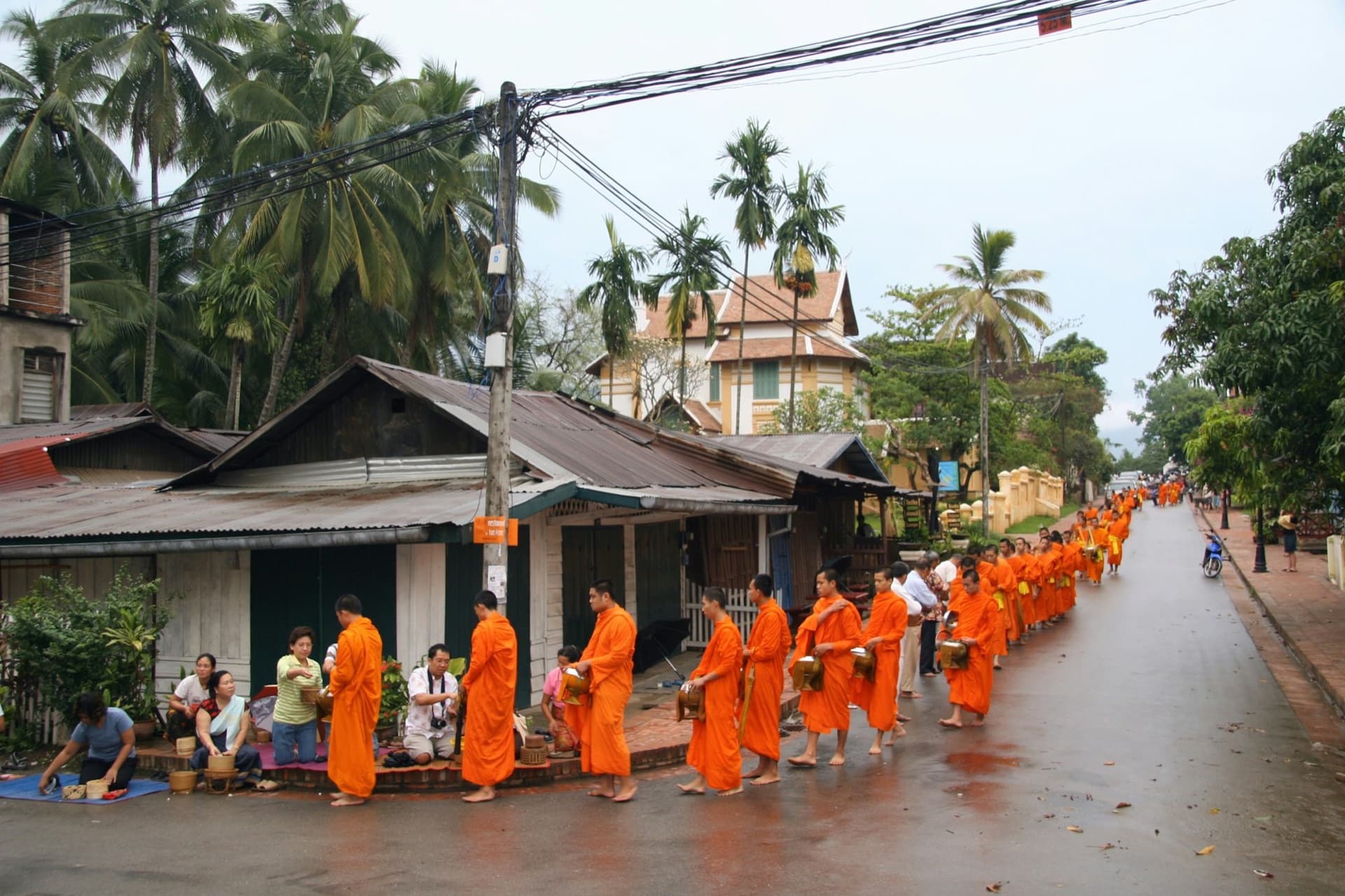
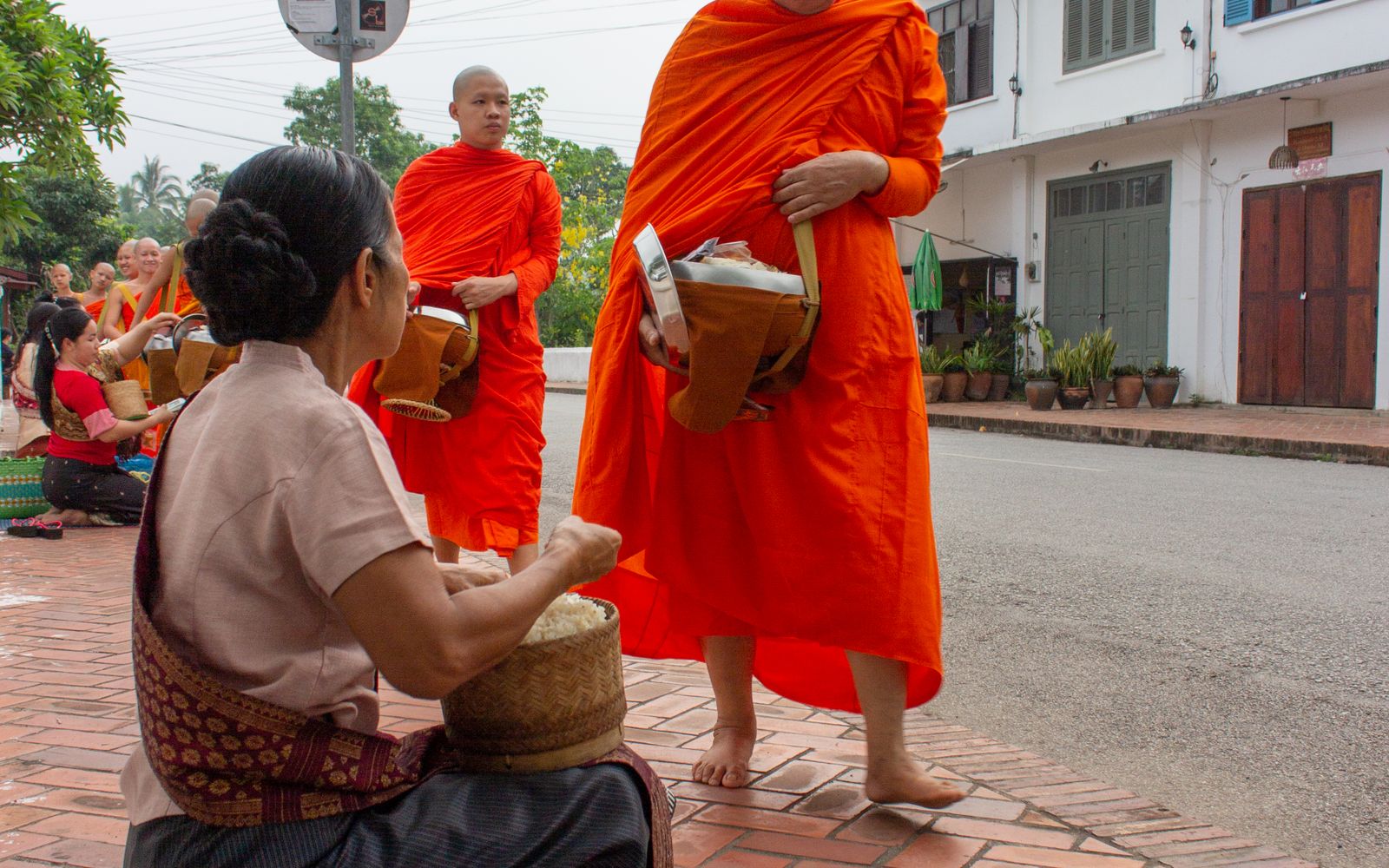
Mornings begin before the heat, with the tak bat. A silent line of saffron-robed monks moves along streets still wet with dew, receiving alms of sticky rice from residents kneeling at the roadside. It is not a performance staged for visitors. It is the city waking the way it has for centuries, and on a quiet lane it is the most ordinary thing in the world. By mid-morning the cafes on the peninsula fill with the smell of Lao coffee, the markets stir, and the pace still never quite quickens.
The geography sets the tempo. The old town sits on a narrow peninsula between two rivers, so nothing is far and nothing is fast. You can walk its length in twenty minutes, climb Mount Phousi for the view at dusk, watch the longtail boats work the Mekong, and be back for dinner at a riverside table. There is a night market, there are temples on almost every block, and there is the confluence itself, where the clear Nam Khan slides into the wide brown Mekong. People do not move to Luang Prabang to do more. They move to do less, and to do it somewhere worth slowing down for.
What are you actually buying into?
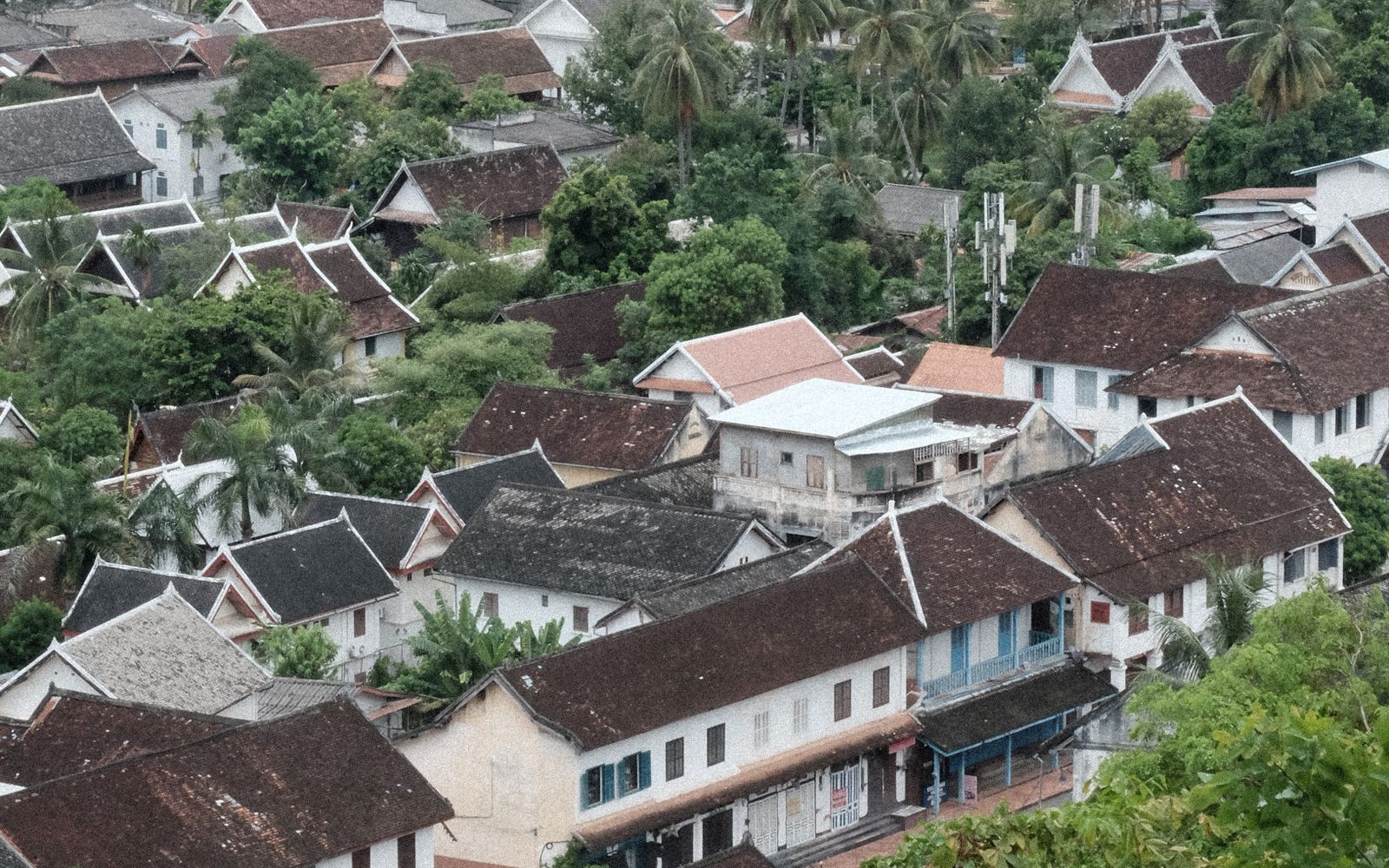
Luang Prabang's value is written into its protection. Since the old town was inscribed as a UNESCO World Heritage site in 1995, its French-Lao shophouses, gilded temples and low timber roofs have been preserved as a single, coherent townscape rather than a scatter of listed buildings. New construction in the heritage zone is tightly controlled, building heights are held down, signage is restrained, and the river frontage cannot be walled off by towers. A dedicated heritage office reviews what owners may build, change or restore inside the protected core and its buffer.
That discipline is exactly what makes a home here scarce. The supply of authentic heritage property is fixed: you cannot manufacture a centuries-old temple precinct or a street of century-old shophouses, and no developer is allowed to try. A restored shophouse a few streets from the Mekong, with its teak shutters and tiled roof, is not a building you can replicate in a new project on the edge of town. It is a piece of the city itself, and the city has decided, deliberately, not to make any more of it.
Who buys here, and why
This is not a flip-it market, and the people who buy here know it. They are second-home owners who want a base for the cool season, retirees trading a city for a slower life, and a steady stream of buyers turning heritage houses into small boutique guesthouses, galleries and cafes, the use the conservation rules most readily allow. What they share is patience and a long horizon. The draw is the place, not a number on a spreadsheet.
The practical case has quietly strengthened, too. Luang Prabang has its own international airport and, since the end of 2021, a station on the Laos-China Railway, which has cut the journey from Vientiane and the Chinese border to a few comfortable hours. Better access brings more visitors, and more visitors support the cafes, guesthouses and galleries that give a restored house a reason to earn its keep. None of that changes the fixed supply of heritage property. It simply makes owning a piece of it a little more useful.
You do not buy square metres in Luang Prabang. You buy a morning: the mist on the river, the bell from the wat, the line of monks. That is the asset, and no one is making more of it.
The practical side, honestly
The romance does not change the law. A foreigner cannot own land in Laos, in Luang Prabang or anywhere else, so a purchase here runs through the same structures as the rest of the country: a condominium unit in your own name, or a registered long lease for a heritage house on its plot. Two things matter more here than almost anywhere.
First, the title. Heritage homes have often been in the same family for generations, and the paperwork can be old or informal. A verified, registered Land Title, checked against the register at the provincial Land Management Authority, is non-negotiable. Buying on a tax receipt or a village paper is how people lose money, and in a town this sought-after the temptation to skip the check is real.
Second, the heritage rules. What you may restore, change or extend is governed by the conservation zone, and the limits are stricter than buyers expect. Rooflines, facades, materials, colours and even window proportions can be controlled, and a quiet street can come with firm rules on what you do to the front of your own house. That is a feature, not a flaw: those same rules protect the value of the house next door, and yours. But you must know which conservation band a property sits in before you buy, because it decides what you can ever do with it.
What to check before you fall in love
A short, honest checklist for Luang Prabang specifically:
- Title category: a registered Land Title, verified at the provincial authority, not a certificate or a family paper.
- Conservation band: whether the house is in the protected core or the buffer, and what that allows you to restore or change.
- Permitted use: whether a guesthouse, cafe or gallery is allowed, if that is your plan.
- The fabric: the real condition behind a charming facade, since heritage restoration is skilled, slow, and held to a standard the zone will require.
- The river: for riverfront plots, the bank, the access, and the seasonal flood levels.
Our guide to foreign ownership covers the legal structures, the land-title guide covers the document and how to verify it, and the step-by-step guide covers the whole process. Every word of them applies here.
How Prime Mekong helps
Luang Prabang rewards patience and local knowledge in equal measure, and it is a town where the best houses are rarely advertised at all. We spend our time here, which is the only way to know which heritage houses have clean title, which sit inside the strictest conservation bands, which need a restoration you should budget for honestly, and which quiet listings change hands before they ever reach a portal. We verify every title before you commit, explain in plain terms what the heritage zone will and will not allow, and match the house to the life you actually want to live in it. In a city this protected, the right introduction is worth more than the widest search.
If a quieter address on the Mekong is what you are after, talk to us early, and come for a slow morning before you decide anything. The best houses in Luang Prabang are handed on, not advertised.
This article is general information, accurate to the best of our knowledge in 2026, and is not legal advice. Heritage-zone rules and ownership regulations change. Verify the specifics, including what a given property may and may not do, with a Lao-licensed firm before any transaction.